
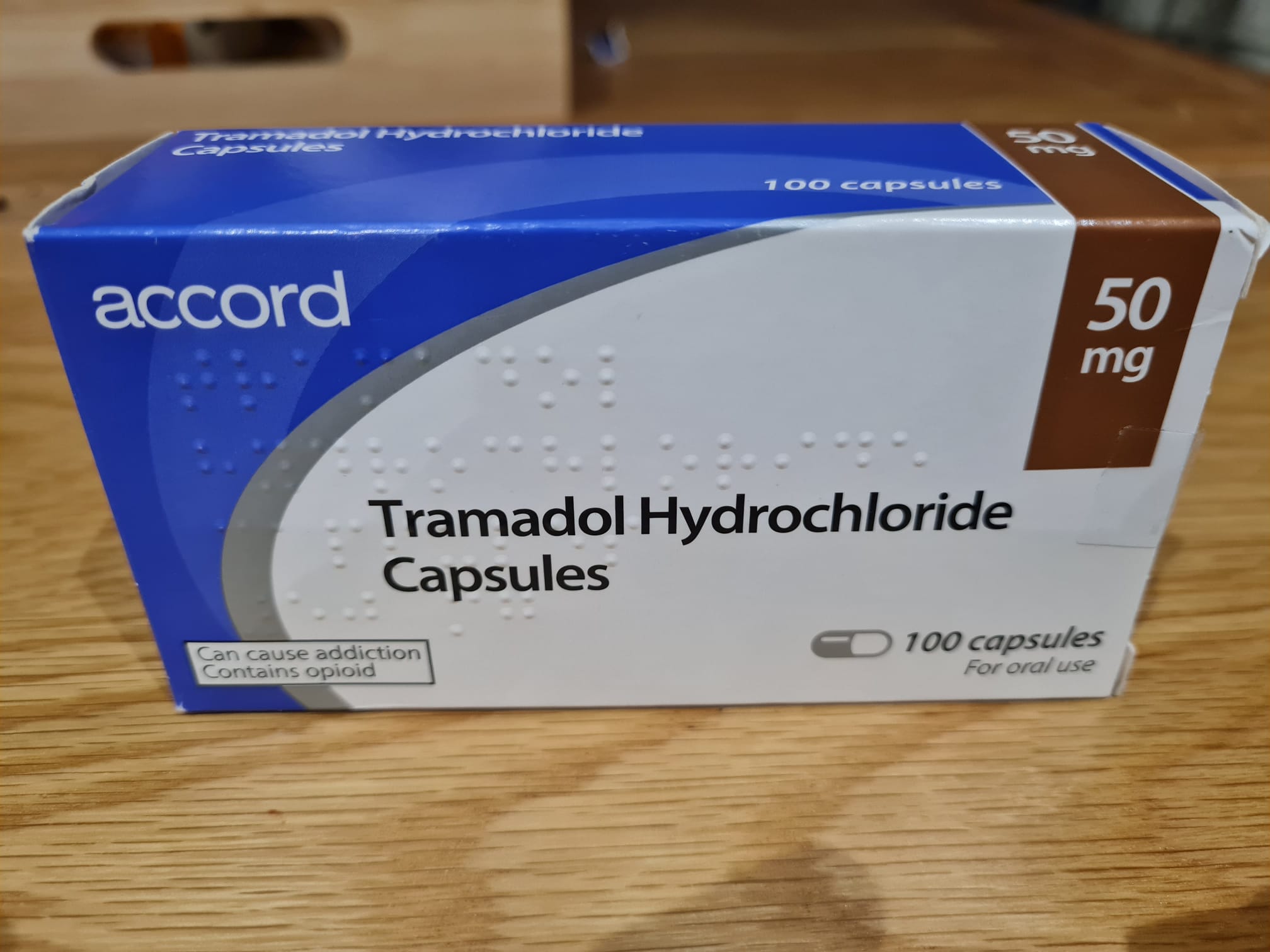
Tramadol 50mg x 100 tablets
£79.99
Description
Classification
Tramadol is a strong opioid painkiller used to manage moderate to severe pain when other pain-relieving medicines may not provide adequate relief. In the UK, tramadol is available only on prescription. It is also subject to controlled-drug regulations because of its potential for misuse, dependence and addiction.
The “50mg” description refers to the strength of each tablet, while “x 100 tablets” describes the quantity in the pack. The appropriate amount and duration of treatment must be determined by a qualified prescriber based on the individual’s condition and medical history.
What is Tramadol 50mg x 100 Tablets?
Tramadol 50mg tablets contain 50mg of tramadol, an opioid analgesic that acts on the central nervous system to reduce the perception of pain. Standard-release tramadol generally begins to relieve pain within around 30 to 60 minutes, although the precise response varies between individuals.
Tramadol is intended for specific pain-management situations and should be used exactly as prescribed. It should not be treated as an ordinary over-the-counter painkiller because repeated or inappropriate use can result in tolerance, dependence and addiction.
Dosage
The correct tramadol dose varies according to the severity and type of pain, the patient’s age, medical history, other medicines and individual response. Do not use the pack quantity or tablet strength to determine your personal dosage.
A prescriber may adjust treatment according to pain relief and tolerability. Important safety principles include:
- Take tramadol only according to the prescription provided.
- Do not take more tablets than prescribed.
- Do not take doses more frequently than instructed.
- Do not share tramadol with another person.
- Do not stop long-term treatment suddenly without medical advice, as withdrawal symptoms can occur.
Your pharmacist or prescriber can provide the specific instructions applicable to your prescription.
How Does Tramadol 50mg x 100 Tablets Work?
Tramadol works through more than one mechanism in the central nervous system. It acts on opioid receptors and also influences the reuptake of certain neurotransmitters involved in pain signalling. These combined actions reduce how strongly pain signals are experienced and processed by the brain and spinal cord.
Standard-release tramadol usually begins working within approximately 30 to 60 minutes. The duration of pain relief varies according to the formulation and individual patient response.
Benefits
When appropriately prescribed, tramadol can provide meaningful relief for people experiencing moderate to severe pain. The potential therapeutic benefits include:
- Reduction in the intensity of moderate to severe pain.
- Improved ability to carry out normal activities when pain is limiting function.
- An alternative where weaker painkillers have not provided sufficient relief.
- Flexible treatment options depending on the prescribed formulation.
Tramadol does not necessarily remove pain completely, and treatment should be regularly reviewed when it is required for an extended period.
When Should You Take Tramadol 50mg x 100 Tablets?
Take tramadol according to the schedule provided by your doctor or pharmacist. Standard-release tablets are generally used at intervals prescribed by the healthcare professional, whereas slow-release formulations follow a different schedule.
Do not take an additional tablet simply because pain has not improved as quickly as expected. If your prescribed medicine does not provide adequate relief, speak with your prescriber rather than increasing the dose yourself.
Avoid alcohol while taking tramadol because alcohol can increase sleepiness and other adverse effects.
When Should You Not Take Tramadol 50mg x 100 Tablets?
Tramadol may not be suitable for everyone. Before treatment, tell your doctor or pharmacist if you have:
- Previously experienced an allergic reaction to tramadol.
- A history of seizures or epilepsy.
- Breathing difficulties.
- A head injury.
- Kidney or liver problems.
- A history of dependence on alcohol, strong painkillers or recreational drugs.
- Pregnancy, breastfeeding or plans to become pregnant.
- Previous problems with other strong painkillers.
Your prescriber should review your medical history before treatment begins.
What is the Mechanism of Tramadol 50mg x 100 Tablets?
Tramadol has opioid activity and affects pain pathways within the central nervous system. It also influences serotonin and noradrenaline signalling by reducing their reuptake. This combination contributes to its analgesic effect.
Because tramadol affects neurotransmitter systems as well as opioid receptors, interactions with certain medicines can be clinically important. In particular, some antidepressants and other medicines affecting serotonin can increase the risk of serious adverse reactions.
Uses of Tramadol 50mg x 100 Tablets
Tramadol is primarily used for the treatment of moderate to severe pain when a strong opioid analgesic is considered appropriate.
Depending on the clinical situation, it may be prescribed for pain associated with:
- Acute injuries.
- Certain surgical procedures.
- Musculoskeletal conditions.
- Other painful conditions requiring opioid analgesia.
The decision to prescribe tramadol should be based on an individual medical assessment rather than the availability of the medicine.
Warnings and Precautions for Tramadol 50mg x 100 Tablets
Tramadol can cause drowsiness, dizziness and impaired concentration. Do not drive, cycle or operate machinery if you experience these effects or have blurred vision or difficulty concentrating.
Particular care is required when tramadol is combined with other medicines. Some antidepressants and medicines affecting the nervous system may increase the risk of serious side effects. MAO inhibitors must not be taken with tramadol. Codeine-containing medicines should also not be combined with tramadol unless specifically advised by a healthcare professional.
Long-term use can lead to tolerance, dependence and addiction. Treatment should therefore be reviewed regularly, and prolonged therapy should not be discontinued abruptly without medical guidance.
Side Effects of Tramadol 50mg x 100 Tablets
Common adverse effects can include:
- Feeling sick or vomiting.
- Constipation.
- Dizziness.
- Sleepiness.
- Headache.
- Dry mouth.
- Sweating.
More serious reactions can occur, particularly with excessive doses or certain drug combinations. Severe breathing problems, seizures, extreme drowsiness, confusion or symptoms of a serious allergic reaction require urgent medical attention.
Storage for Tramadol 50mg x 100 Tablets
Keep tramadol in its original packaging and store it according to the instructions supplied with the medicine. Keep tablets away from children and other people who could accidentally or intentionally take them.
Because tramadol is a controlled medicine, unused or unwanted tablets should not be passed to another person. Ask a pharmacist about appropriate disposal rather than putting medicines into household waste or wastewater.
Where to Buy Tramadol 50mg x 100 Tablets?
To get Tramadol 50mg x 100 tablets online, go to Steroid Sanctuary today to get the best deal on this medicine.
Frequently Asked Questions
1. What is Tramadol 50mg used for?
Tramadol 50mg is an opioid painkiller prescribed for moderate to severe pain when stronger analgesia is considered necessary.
2. Is Tramadol 50mg available without a prescription in the UK?
No. Tramadol is a prescription-only medicine in the UK and should be supplied through an appropriate prescribing and pharmacy service.
3. Can tramadol cause dependence?
Yes. Regular or prolonged use can lead to tolerance, dependence and addiction. If treatment has been used for an extended period, a doctor may recommend gradually reducing the dose rather than stopping suddenly.
4. Can I drink alcohol while taking tramadol?
It is best to avoid alcohol while taking tramadol because the combination can increase sleepiness and other adverse effects.
5. What should I do if tramadol causes serious symptoms?
Seek urgent medical attention if you develop severe breathing difficulties, seizures, extreme drowsiness, serious confusion or symptoms of a severe allergic reaction. For less urgent side effects, contact your doctor or pharmacist for advice.
Related products
-
Sale!

6 x Pharmaceutical Diazepam (Valium) 10mg x 30
Original price was: £180.00.£149.99Current price is: £149.99. Add to cart -
Sale!

10 x Dihydrocodeine 30mg x 100
Original price was: £900.00.£809.99Current price is: £809.99. Add to cart -
Sale!

Xanax 2mg Bars x 1500
Original price was: £2,250.00.£1,349.99Current price is: £1,349.99. Add to cart -
Sale!

Zapain 30mg x 50 tablets
Original price was: £69.99.£44.99Current price is: £44.99. Add to cart
Reviews
There are no reviews yet.